Explore
Two Centuries of Photography
Navigate by time, explore connections across themes, or trace the technical evolution of the medium.
THEMATIC INFLUENCE
Connected Across Time
Discover how photographic innovations link across eras through 10 curated influence themes.
Establishing Photography as a Medium
Photography’s earliest milestones established its very possibility as a medium. These foundational firsts secured permanence, enabled reproduction, expanded into scientific observation, and entered the circulation of published knowledge. In doing so, they demonstrated that photography could move beyond isolated experiments. Together, they defined the framework for the medium to grow and endure—forever changing what we are able to see, and how seeing it shapes our thinking.
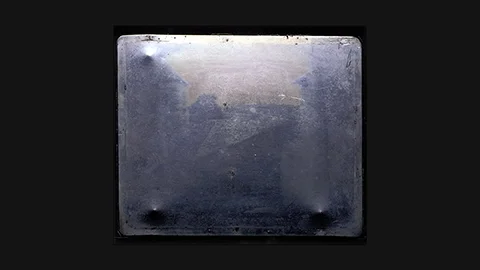
1827
Joseph Nicéphore Niépce
First Permanent Photograph
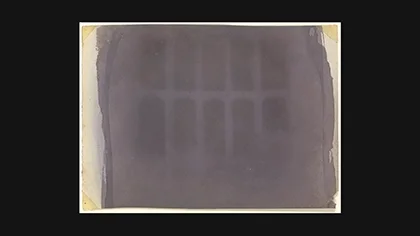
1835
William Henry Fox Talbot
First Negative
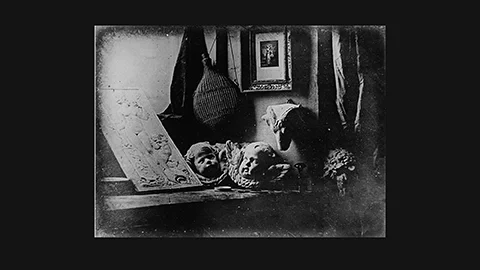
1837
Louis Daguerre
First Surviving Daguerreotype
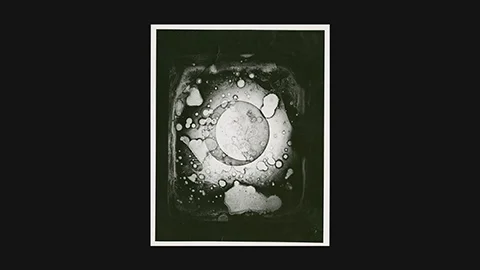
1840
John Draper
Earliest Image of the Moon
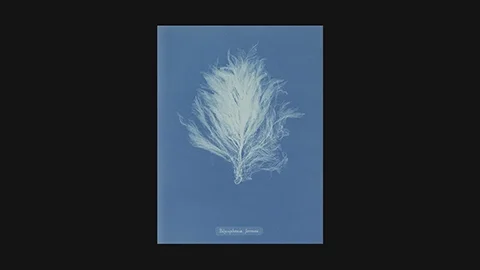
1843
Anna Atkins
First Book of Photograms
High-Speed Capture
High-speed capture has always been a pursuit against the limits of time itself. From early shadowgraphy and electrical discharge experiments to stroboscopic precision, ultra-fast sensors, and contemporary re-imaginings of energy and motion, each advance has sought to close the distance between event and image.
These breakthroughs transformed photography into a medium capable of revealing what lies beyond human perception — freezing the fleeting, visualising shockwaves, or tracing light in motion. Whether achieved through the camera, the sensor, or direct physical interaction, high-speed imaging continues to expand our capacity to observe, measure, and imagine the dynamics of an unseen world.
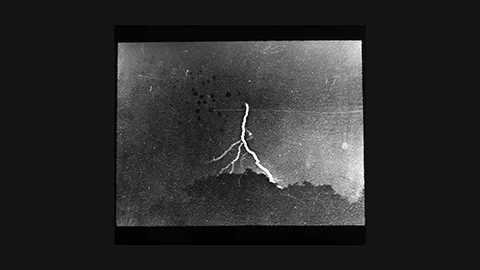
1882
William Nicholson Jennings
Lightning
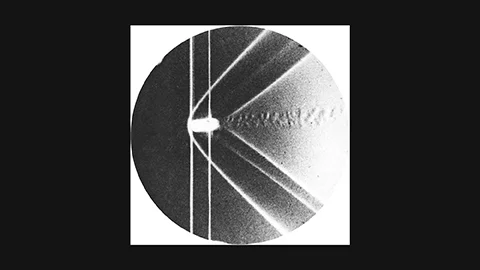
1887
Ernst Mach
Brass Bullet
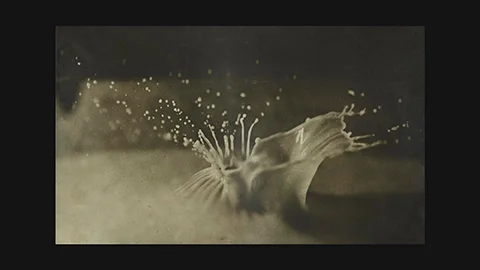
1900
A.M. Worthington
Splash
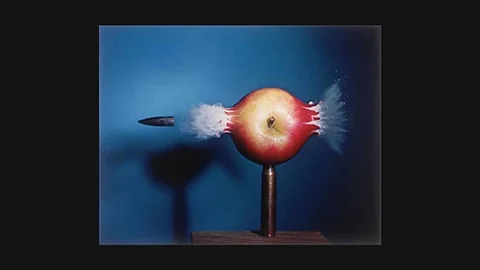
1964
Harold Eugene Edgerton
Bullet through Apple
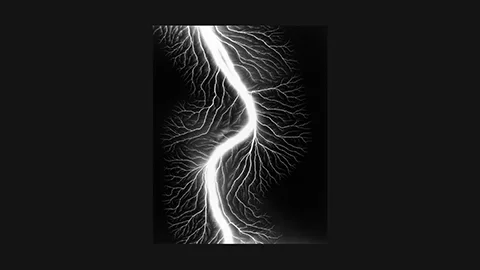
2009
Hiroshi Sugimoto
Lightning Fields 225
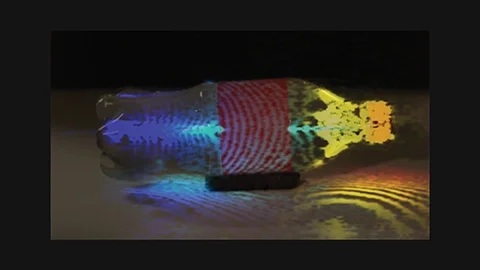
2012
Ramesh Raskar - MIT
Trillion Frames per Second
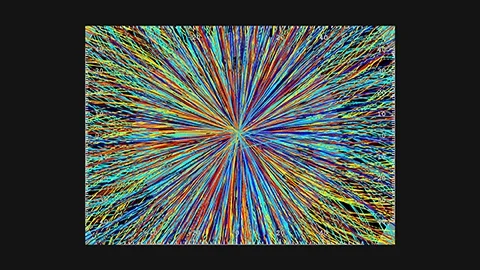
2014
CERN - Pcharito
Alicelead3
Motion Study
Motion study investigates the structure of movement — how motion unfolds, can be measured, and understood through photography. From early chronophotography to contemporary scientific visualisation, these works transform movement into a series of knowable forms.
By segmenting motion into observable patterns, photography becomes a tool for analysing the mechanics of the visible world. Each image extends perception, revealing how things move, behave, and interact through time.
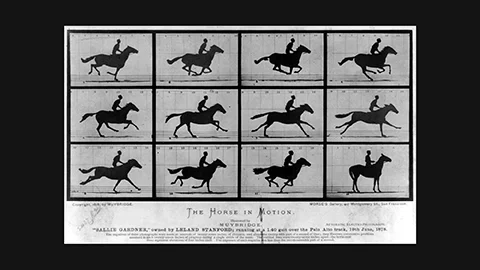
1878
Eadweard Muybridge
The Horse in Motion
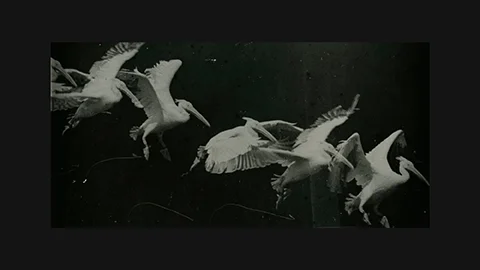
1882
Étienne-Jules Marey
Birds
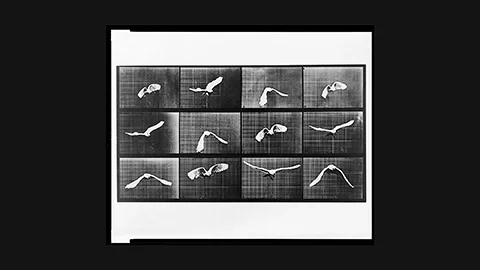
1887
Eadweard Muybridge
Animal Locomotion. Plate 762
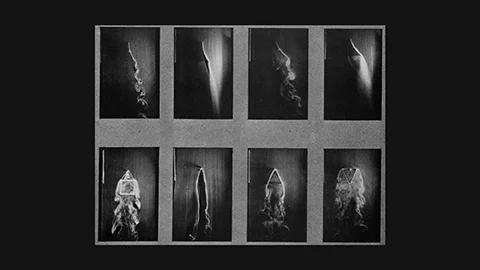
1900
Étienne-Jules Marey – Air movement in a collision with objects of different shapes
1900
A.M. Worthington
Splash
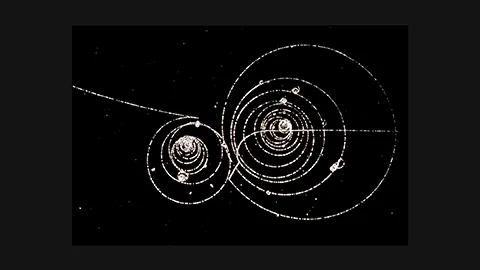
1973
CERN PhotoLab
Bubble Chamber: Omega Production and Decay
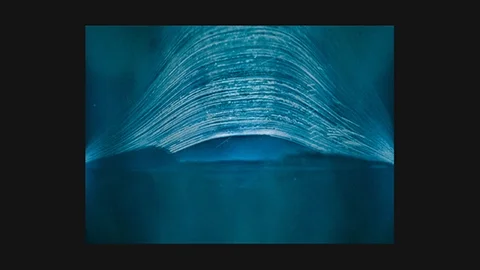
2020
Regina Valkenborgh
Perpetuity Longest Exposure
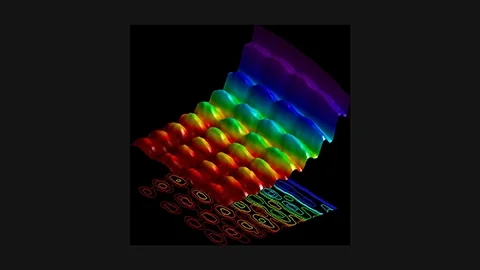
2015
Fabrizio Carbone - EPFL
Light as Wave and Particle
Time Continuum
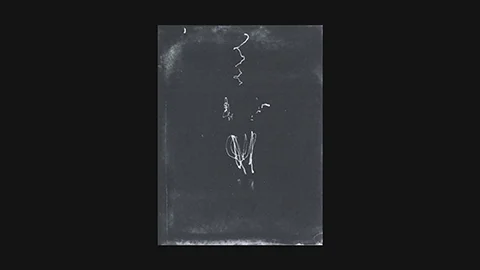
Time Continuum Study redefines photography’s relationship with the instant. Rather than freezing a fraction of a second, these works allow time to unfold within the image, transforming duration itself into the subject. Through long exposure, sustained observation, or temporal accumulation, motion is absorbed rather than isolated.
Light becomes a measure of duration, and the photograph a continuum of experience. By collapsing many moments into one, Time Continuum Study unites stillness and change within a single visible state. The photograph no longer isolates an instant but captures the very passage of time — light acting simultaneously as event and memory.
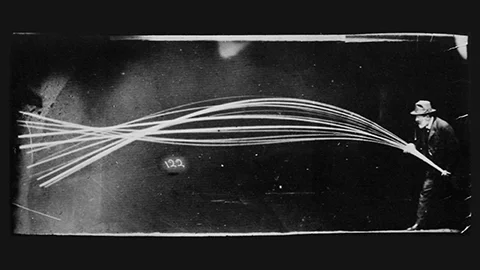
1886
Étienne-Jules Marey
Shaking a Flexible Rod
1889
Étienne-Jules Marey and Georges Demenÿ
Pathological Walk from the Front
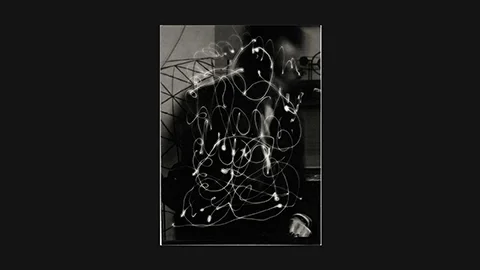
1935
Man Ray
Space Writing (Self-Portrait)
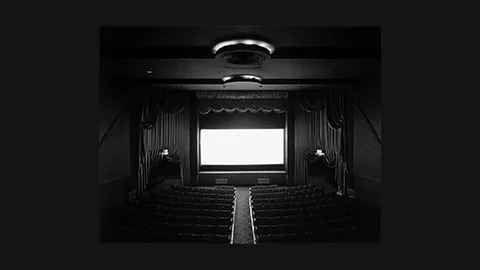
1977
Hiroshi Sugimoto
Trylon, New York
2020
Regina Valkenborgh
Perpetuity Longest Exposure
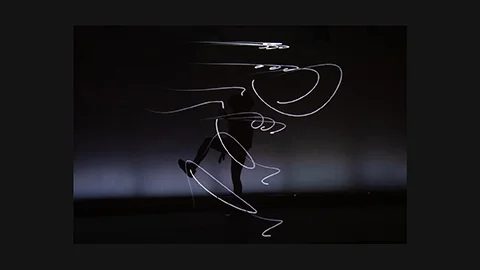
2023
Chelsi Alise Cocking and Jimmy Day
Illuminate
Photographing the Sun
Photographing the Sun demands a balance of extreme light control and optical precision. From the first daguerreotypes to today’s ground- and space-based observatories, each advance has refined the ability to capture its structure without overwhelming the medium.
Innovations in filtration, exposure timing, and high-resolution optics have revealed layers of solar activity once beyond human reach. These images are more than records of light—they are visual datasets, enabling the study of cycles, flares, and atmospheric dynamics that shape our planet’s environment. The pursuit continues to push imaging technology toward greater clarity and resilience under the most intense illumination.
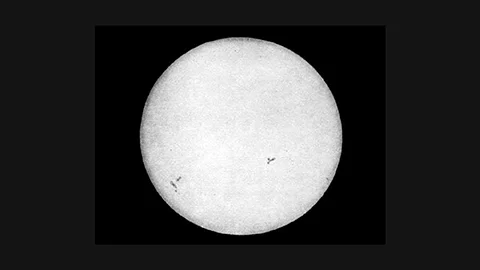
1845
Hippolyte Fizeau and Léon Foucault
First Sun Photo
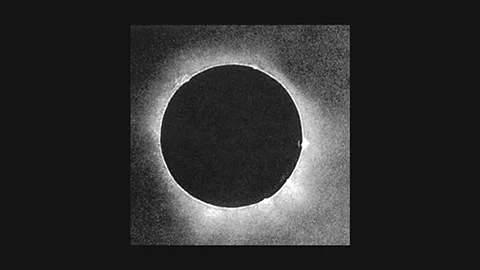
1851
Julius Berkowski
Solar Eclipse
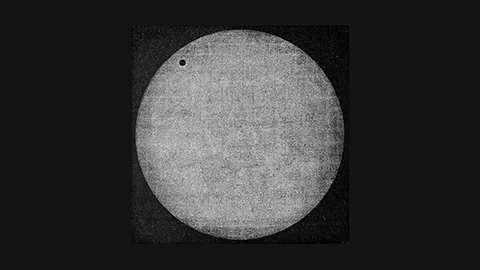
1874
Pierre Jules César Janssen
Transit of Venus
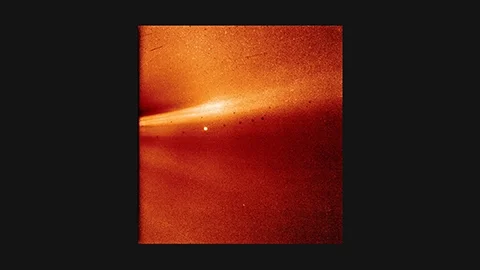
2018
NASA's Parker Solar Probe
First Photo Inside Sun Corona
2020
Regina Valkenborgh
Perpetuity Longest Exposure
Microscopic Structures
Photographing microscopic structures extends the reach of vision into realms defined by scale rather than distance. Through advances in magnification, illumination, and resolution, photography has revealed the intricate complexity of forms far smaller than the eye can resolve.
Techniques such as photomicrography, cloud and bubble chambers, and high-energy particle imaging translate the invisible into precise visual records. These images function as both analytical tools and aesthetic objects, bridging scientific measurement with visual exploration of structure, texture, and pattern at the smallest scales.
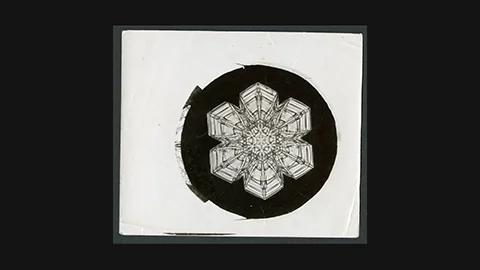
1890
Wilson A. Bentley
Photomicrograph of Stellar Snowflake No. 10
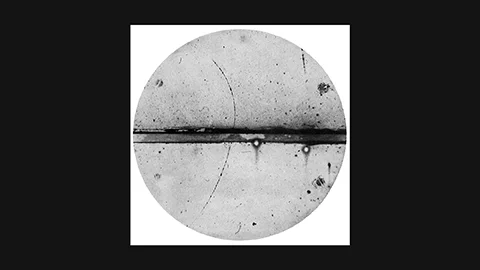
1932
Carl D. Anderson
Cloud Chamber First Positron
1973
CERN PhotoLab
Bubble Chamber: Omega Production and Decay
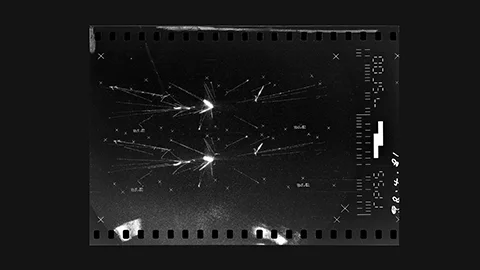
1981
CERN PhotoLab
CERN Streamer Chamber
2012
Ramesh Raskar - MIT
Trillion Frames per Second
2014
CERN - Pcharito
Alicelead3
Self-Inclusion
Self-inclusion in photography places the creator within the frame, not as subject in the traditional sense, but as an active element of the process. In scientific and experimental contexts, this often takes the form of embodied observation—using one’s own presence as the constant in generating reliable, repeatable data.
Whether for calibration, as a control in experimental conditions, or to merge observation with participation, it aligns the act of seeing with the act of being seen. This approach transforms the camera into both recorder and witness of the photographer’s presence, producing images where method and subject converge. Self-inclusion bridges the gap between observer and observed, embedding the maker’s role directly into the visual record.
1886
Étienne-Jules Marey
Shaking a Flexible Rod
1889
Étienne-Jules Marey and Georges Demenÿ
Pathological Walk from the Front
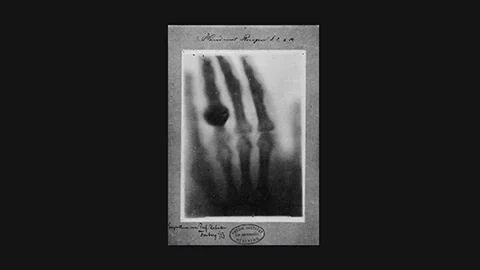
1895
Wilhelm Conrad Röntgen
First X-ray of his wife’s hand
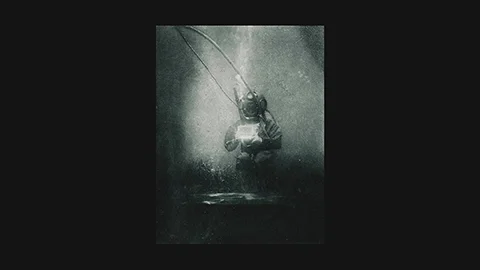
1898
Louis Boutan
Underwater Photography
1935
Man Ray
Space Writing (Self-Portrait)
2023
Chelsi Alise Cocking and Jimmy Day
Illuminate
Camera in Motion
Placing the camera on a moving platform—whether mechanical, animal, or environmental—transforms both perspective and possibility. From early aerial surveys and pigeon-mounted cameras to systems carried on vehicles, vessels, or spacecraft, each method redefines the relationship between subject and vantage point.
Motion can be intentional—tracking a subject in real time—or incidental, shaped by the path of the carrier itself. Techniques such as gyro-stabilisation, vibration isolation, and remote triggering ensure clarity despite continuous movement. By combining stability with adaptive navigation, camera-in-motion photography expands the scope of what can be recorded, offering views and contexts inaccessible from a fixed position.
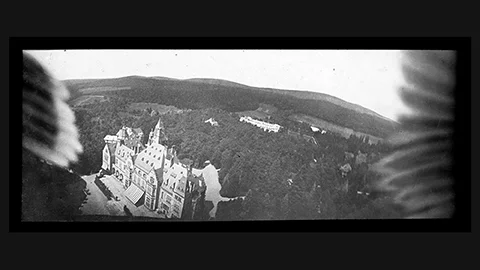
1908
Julius Neubronner
Aerial Photograph from a Homing Pigeon
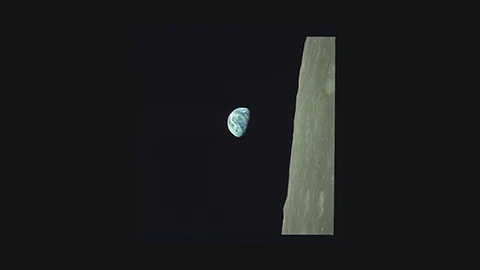
1968
William A. Anders - NASA
Earthrise
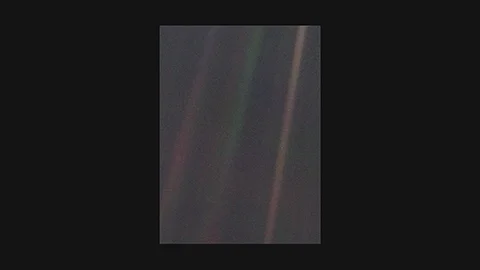
1990
Voyager 1, NASA
Pale Blue Dot
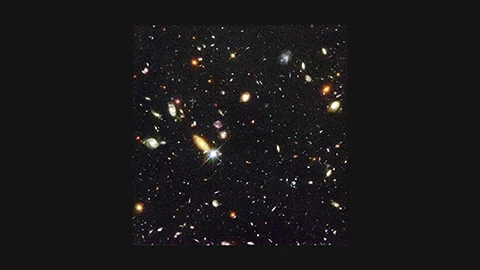
1995
Robert Williams
Hubble Deep Field
2018
NASA's Parker Solar Probe
First Photo Inside Sun Corona
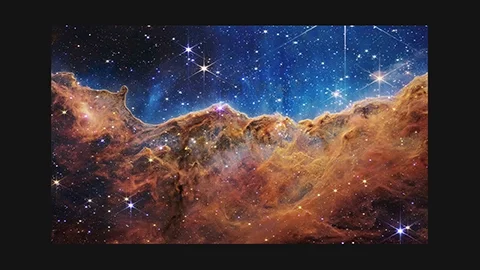
2022
James Webb Space Telescope
Cosmic Cliffs in the Carina Nebula
Discovery and Proof in Physics
Photography has long served as both a revealer of the unknown and a confirmer of scientific predictions. From the unexpected discovery of radiation and X-rays to the visual proof of electromagnetic waves, subatomic particles, and astrophysical phenomena, images have extended scientific vision beyond human senses.
Advances in detection methods, exposure control, and imaging media have made it possible to record events once hidden, turning abstract equations into visible traces and serendipitous discoveries into new fields of physics. In doing so, photography has both revealed new phenomena and reinforced theoretical models, enabling further optical investigation alongside simulation and data modelling—together expanding our ability to explore and understand the natural world.
1887
Ernst Mach
Brass Bullet
1895
Wilhelm Conrad Röntgen
First X-ray of his wife’s hand
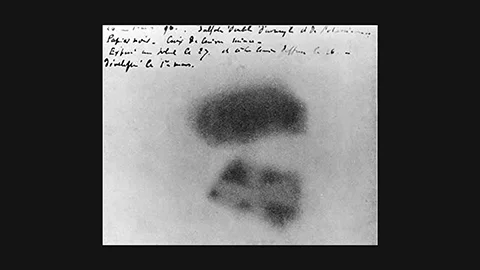
1896
Henri Becquerel
Discovery of Radiation
1932
Carl D. Anderson
Cloud Chamber First Positron
1973
CERN PhotoLab
Bubble Chamber: Omega Production and Decay
1981
CERN PhotoLab
CERN Streamer Chamber
2015
Fabrizio Carbone - EPFL
Light as Wave and Particle
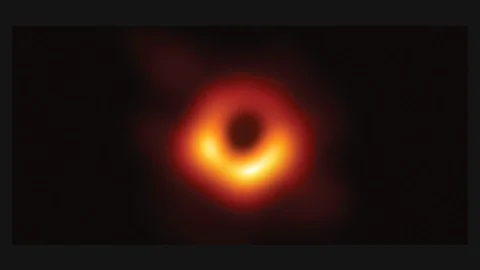
2019
Event Horizon Telescope (EHT)
First Image of a Black Hole
Proving an Assumption
Photography has often been used to settle questions that could not be resolved by assumption alone. Its impact comes from our inherent need to see in order to believe—turning speculation into something tangible and undeniable.
These proofs revealed unseen mechanics of motion, verified natural patterns, and confirmed theoretical predictions. Advances in optics, timing, and image clarity increased the reliability of such evidence, ensuring that outcomes were no longer left to interpretation.
1878
Eadweard Muybridge
The Horse in Motion
1882
William Nicholson Jennings
Lightning
1882
Étienne-Jules Marey
Birds
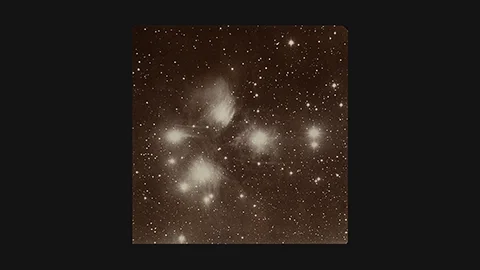
1888
Isaac Roberts
Nebula in the Pleiades
1890
Wilson A. Bentley
Photomicrograph of Stellar Snowflake No. 10
1900
A.M. Worthington
Splash