ZERO BASELINE CANDIDATES
The following first photographs are currently under research and verification for the Zero Baseline of Photography collection.
-
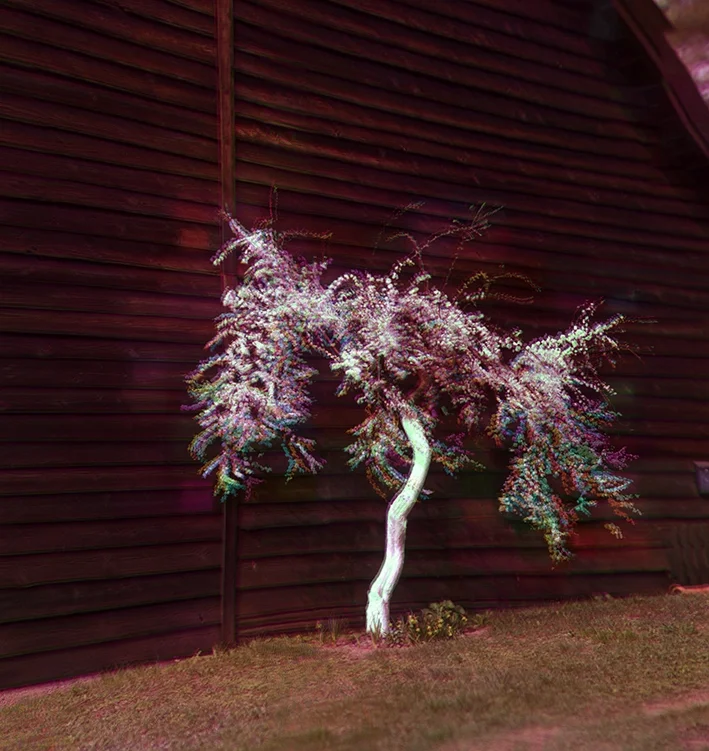
2024 Sunpictures, Borowice rosagreenorangeazur
Candidate Credit: 2024 © Rudolf Steiner, used with permission of the artist, Author: Rudolf Steiner, Title: Sunpictures, Borowice rosagreenorangeazur, Date: 2024, Archive: Rudolf Steiner, Source: Rudolf Steiner, Original file: 178 × 189 cm, 300 dpi, Location: Przerwanki, Pozezdrze, Powiat Węgorzewski, Poland, Equipment: Nikon 5600 DSLR, Sigma 600 mm f8 mirror telephoto lens, mounted on Gigapan EpicPro, Software Autopano Giga 4.4
-
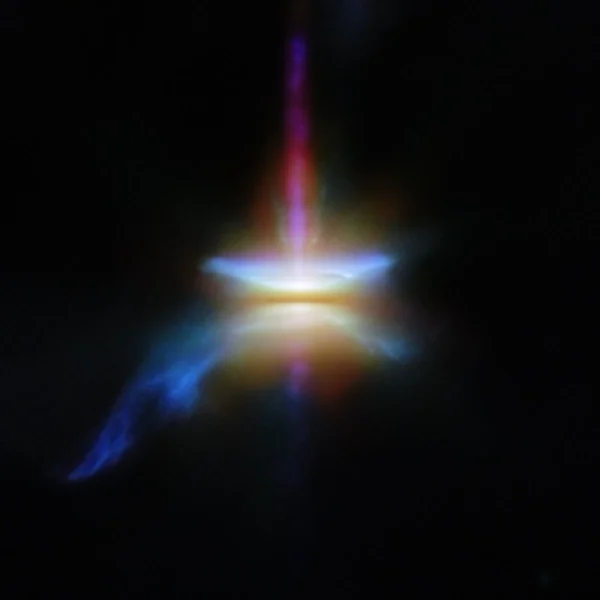
2024 James Webb Space Telescope - Birth of a Star
Candidate Credit: 2024 First Infrared Image of an Edge-On Protoplanetary Disk with Jets, Author: James Webb Space Telescope science team, Title: Herbig–Haro 30 (HH 30) – Protoplanetary Disk and Jets, Description: Infrared observation revealing an edge-on protoplanetary disk with bipolar jets emerging from a forming star, providing unprecedented insight into early star and planet formation processes, Date: 2024, Location: Taurus Molecular Cloud (≈477 light-years from Earth), Captured by: European Space Agency / NASA / Canadian Space Agency, Instrument: James Webb Space Telescope (Near-Infrared Camera, NIRCam), Image Credit: ESA/Webb, Source: Astronomy Picture of the Day, Licence: Public release for educational and scientific use, Available information: Infrared composite, false colour rendering, single frame astronomical image, deep-space observation.
-

2019 Dr Paul-Antoine Moreau - Imaging Bell-type nonlocal behaviour
Candidate Credit: 2019 © Dr Paul-Antoine Moreau, Creative Commons Attribution License 4.0 (CC BY), Author: Moreau, P.-A., Toninelli, E., Gregory, T., Aspden, R. S., Morris, P. A., & Padgett, M. J. (2019), Title: Imaging Bell-type nonlocal behaviour, Archive: University of Glasgow’s School of Physics and Astronomy, Source: Science Advances, Date: 2019
-
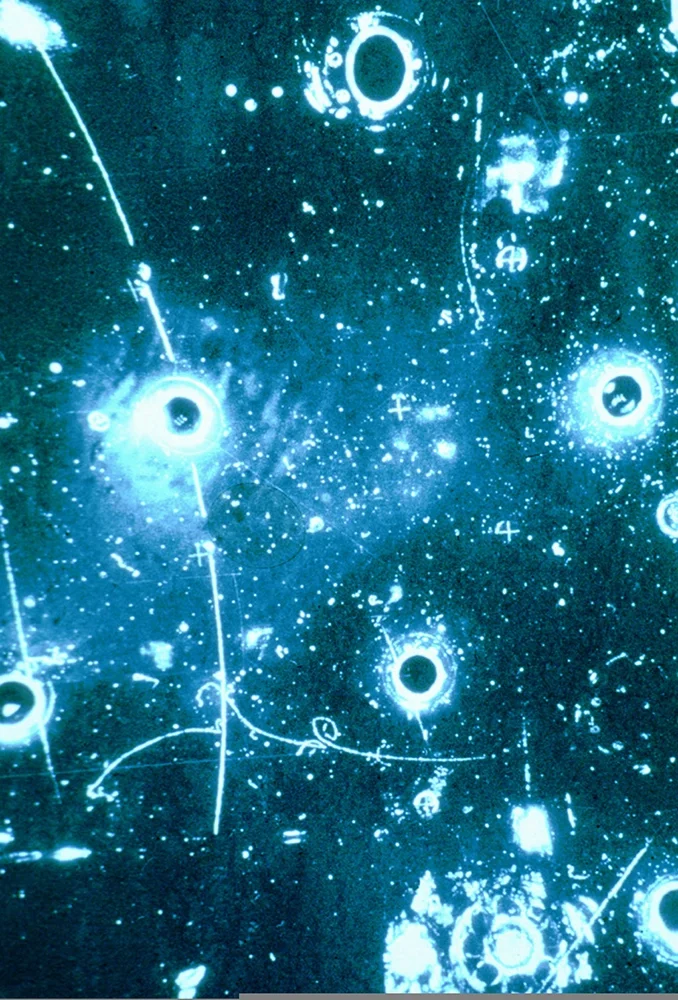
11973 CERN - Gargamelle Bubble Chamber
Candidate Credit: © 1981-2021 CERN (License: CC-BY-4.0), CERN Photo Archive, This event shows the real tracks produced in the Gargamelle bubble chamber that provided the first confirmation of a neutral current interaction. Date: 1 January 1973
-
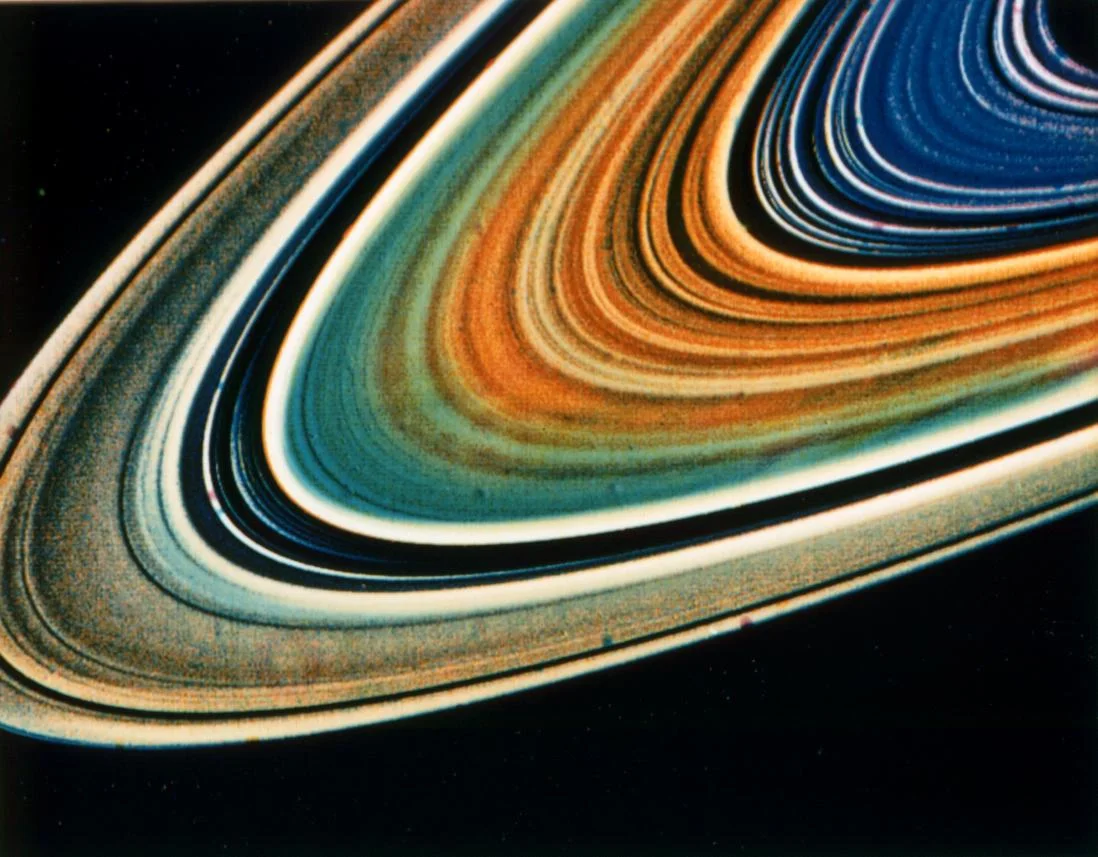
1981 NASA Voyager - Saturn’s Rings
Candidate Credit: 1981 NASA / Jet Propulsion Laboratory, California Institute of Technology, Author: NASA Voyager Imaging Science Subsystem Team, Title: Enhanced-colour Image of Saturn’s Rings, Archive: NASA Planetary Photojournal, Image ID PIA01486 – “Composition Differences within Saturn’s Rings”, Date: 17 August 1981, Format: Digital composite from clear, orange, and ultraviolet filter frames; original data transmitted via Voyager 2 Imaging Science Subsystem (Narrow-Angle Camera); field of view ≈ 0.4 × 0.4 degrees; range ≈ 8.9 million km. Materials: Digital image data (Voyager ISS frames), reprocessed for colour enhancement; stored in NASA PDS / JPL archives. Available information: This colour-composite image was created from three filtered exposures taken by Voyager 2 as it approached Saturn in August 1981. The spacecraft used its Imaging Science Subsystem to record the planet’s rings through ultraviolet, clear, and orange filters, later combined to produce an enhanced-colour view revealing subtle compositional and structural variations within the rings. The different hues correspond to variations in particle size, density, and contamination by non-ice material. At the time, this was the first colour image to distinguish discrete ring regions by spectral properties, offering insight into the physical and chemical diversity of Saturn’s ring particles. The image was processed and calibrated by the Jet Propulsion Laboratory under the direction of the Voyager Imaging Team.
-
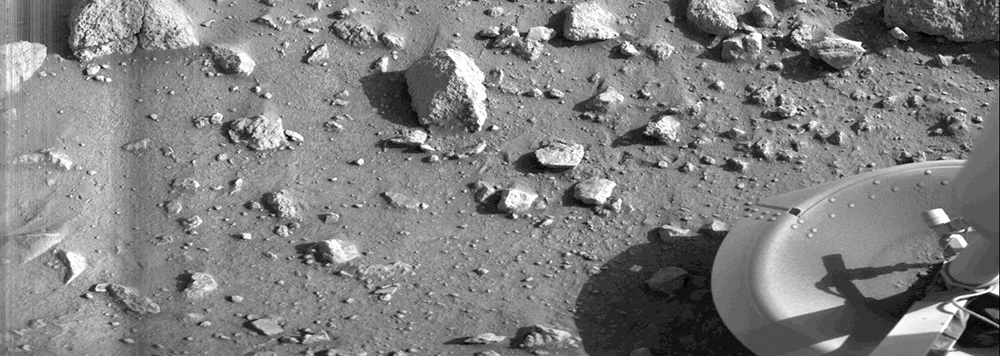
1976 NASA - First photograph ever taken from the surface of Mars
Candidate Credit: 1976 NASA, Public domain, via Wikimedia Commons, Author: NASA, Title: 1976 First photograph ever taken from the surface of Mars, Archive: NASA, Available information: Taken by the Viking 1 lander shortly after it touched down on Mars, this image is the first photograph ever taken from the surface of Mars. Date: 20 July 1976
-
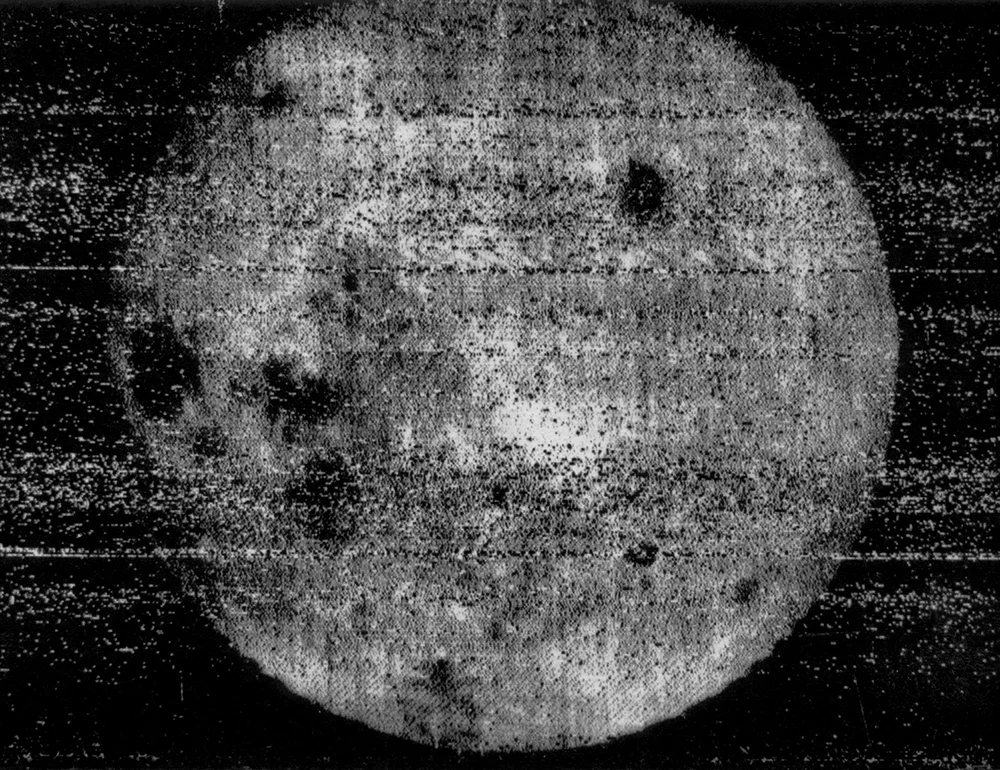
1959 The far side of the Moon
Candidate Credit: 1959 Soviet Academy of Sciences, Author: Luna 3, Title: The Farside of the Moon, Archive: Russian State Archive of Scientific Documentation, Source: Soviet Space Program, Date: 1959. Captured by the Soviet spacecraft Luna 3, this groundbreaking image marks the first-ever photograph of the moon's far side, a region never before seen by human eyes. Utilizing early analog film technology, Luna 3 transmitted images back to Earth, despite the technical limitations of the time, revealing a mysterious and cratered lunar landscape. This achievement not only demonstrated the Soviet Union's advanced space capabilities but also expanded humanity's understanding of celestial bodies beyond Earth.
-
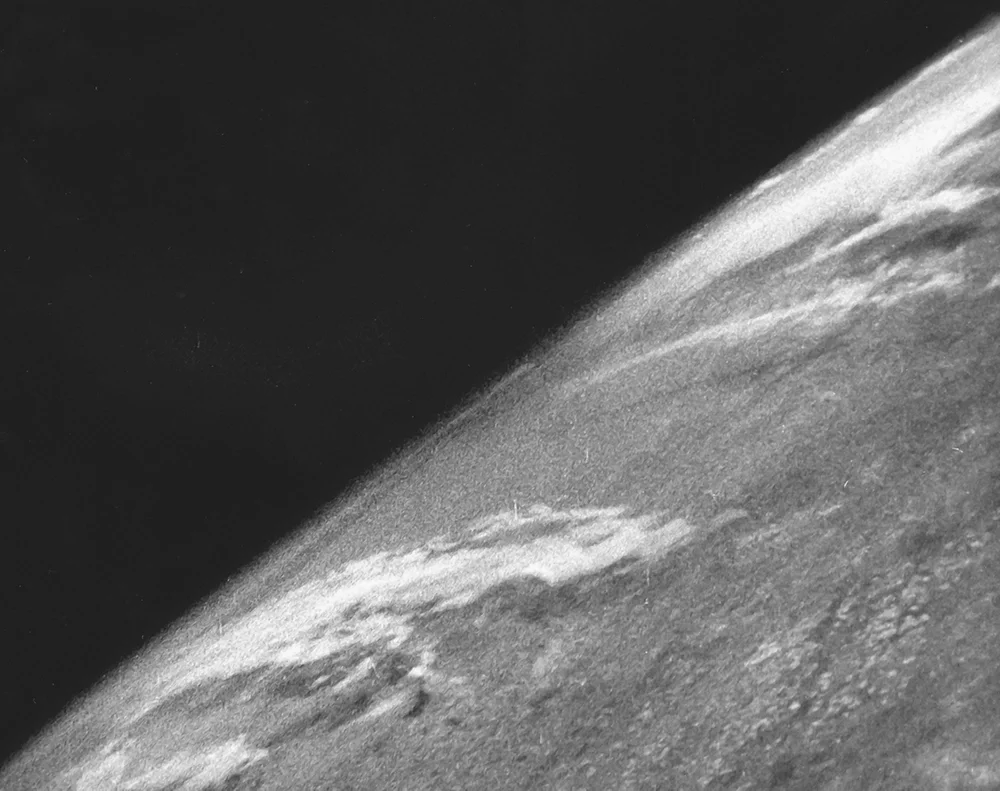
1946 First Photograph from Space
Candidate Credit: 1946 U.S. Army, Author: Unspecified, Title: First Photograph from Space, Description: Taken using a 35mm DeVry Corporation motion picture camera mounted on a V-2 rocket launched from White Sands Missile Range, this image marked the first time Earth was photographed from outer space. The camera, designed to withstand the high-altitude pressure and vibrations of space flight, captured a series of images at 35 frames per second as the rocket reached an altitude of 105 km. This moment represents a milestone in both photographic and scientific history. Archive: White Sands Missile Range Museum, Source: V-2 Rocket Camera, Date: 1946.
-
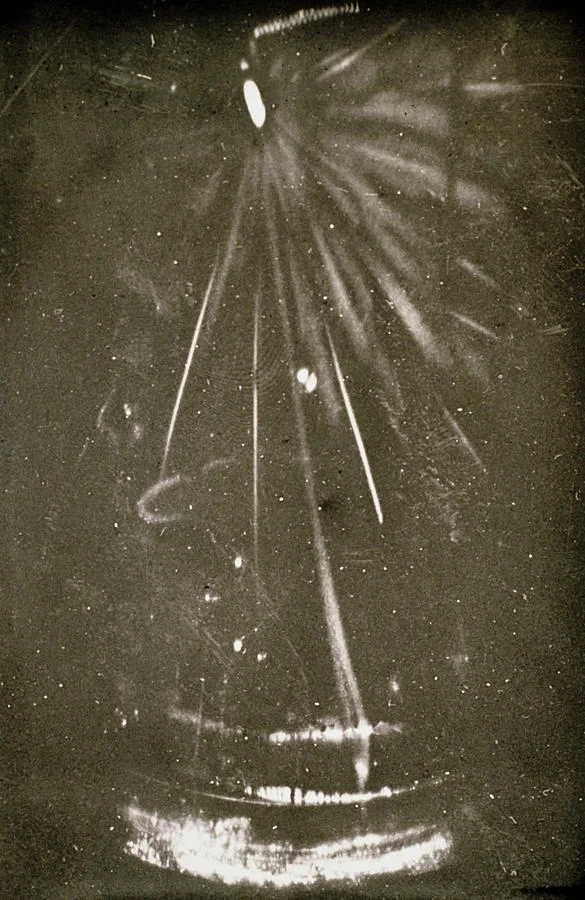
1927 C. T. R. Wilson - One of the First Cloud Chamber Photographs
Candidate Credit: Author: 1927 C. T. R. Wilson, Title: One of the First Cloud Chamber Photographs, Archive: Cavendish Laboratory Archives, Date: 1911. This photograph is one of the first to visually capture the tracks of subatomic particles using a cloud chamber, an invention by physicist C. T. R. Wilson. Taken at the Cavendish Laboratory, it shows alpha particles emitted by radium forming condensation trails in ionized water vapor. Wilson's pioneering work in visualizing atomic activity earned him the Nobel Prize in Physics in 1927, marking a key advancement in both scientific exploration and the intersection of art and technology.
-
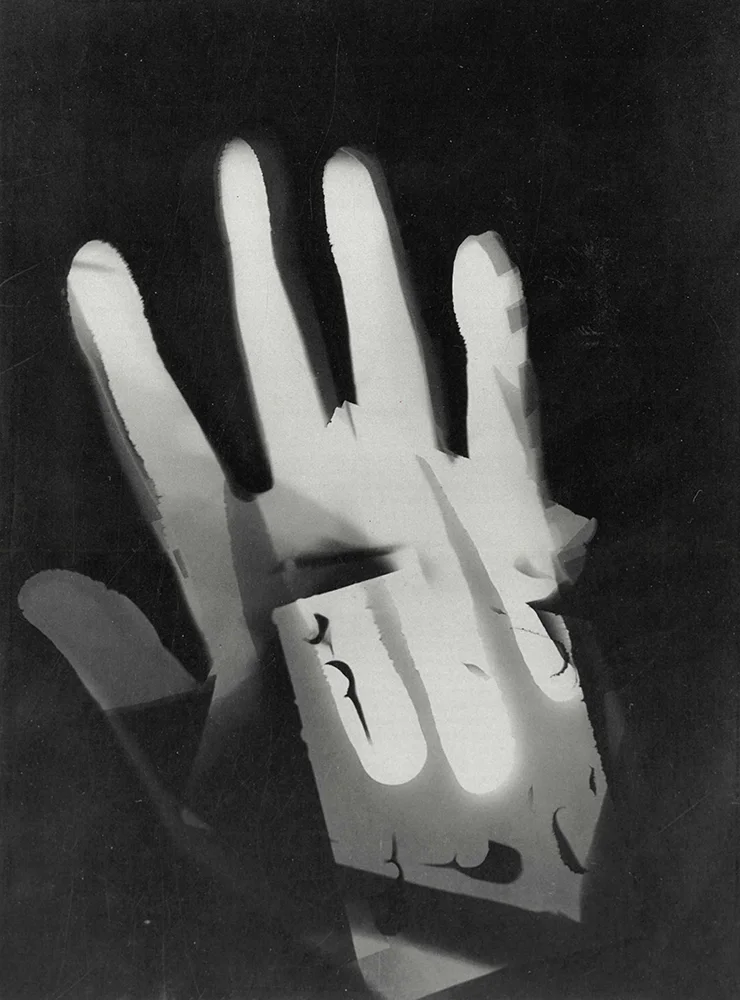
1925 László Moholy-Nagy - First systematised-pedagogical photogram
Candidate Credit: 1925 László Moholy-Nagy, First systematised / pedagogical photogram, Author: László Moholy-Nagy, Title: Photogram, Date: 1925, Process: Photogram (gelatin silver print), Archive: The Art Institute of Chicago, Source: Art Institute of Chicago Collection, Rights: © Hattula Moholy-Nagy / used for educational reference, Available information: This period corresponds directly with Moholy-Nagy’s Bauhaus teaching and his theorisation of light as material. (Also held by MoMA, Bauhaus-Archiv Berlin)
-
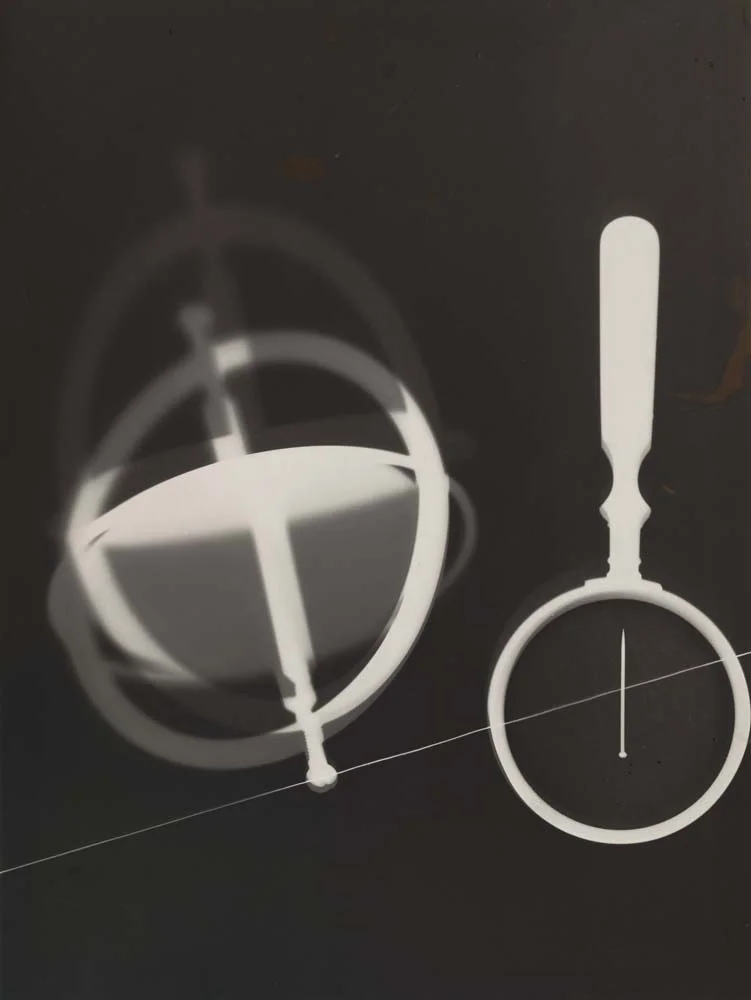
1922 Man Ray - Rayograph
Candidate Credit: 1922 Man Ray First popularised avant-garde photograms (Rayographs), Author: Man Ray, Title: Rayograph, Date: 1922, Process: Photogram (gelatin silver print), Archive: Centre Pompidou, Source: Musée national d’art moderne, Rights: © Man Ray Trust / ADAGP (Also held by MoMA, Tate)
-
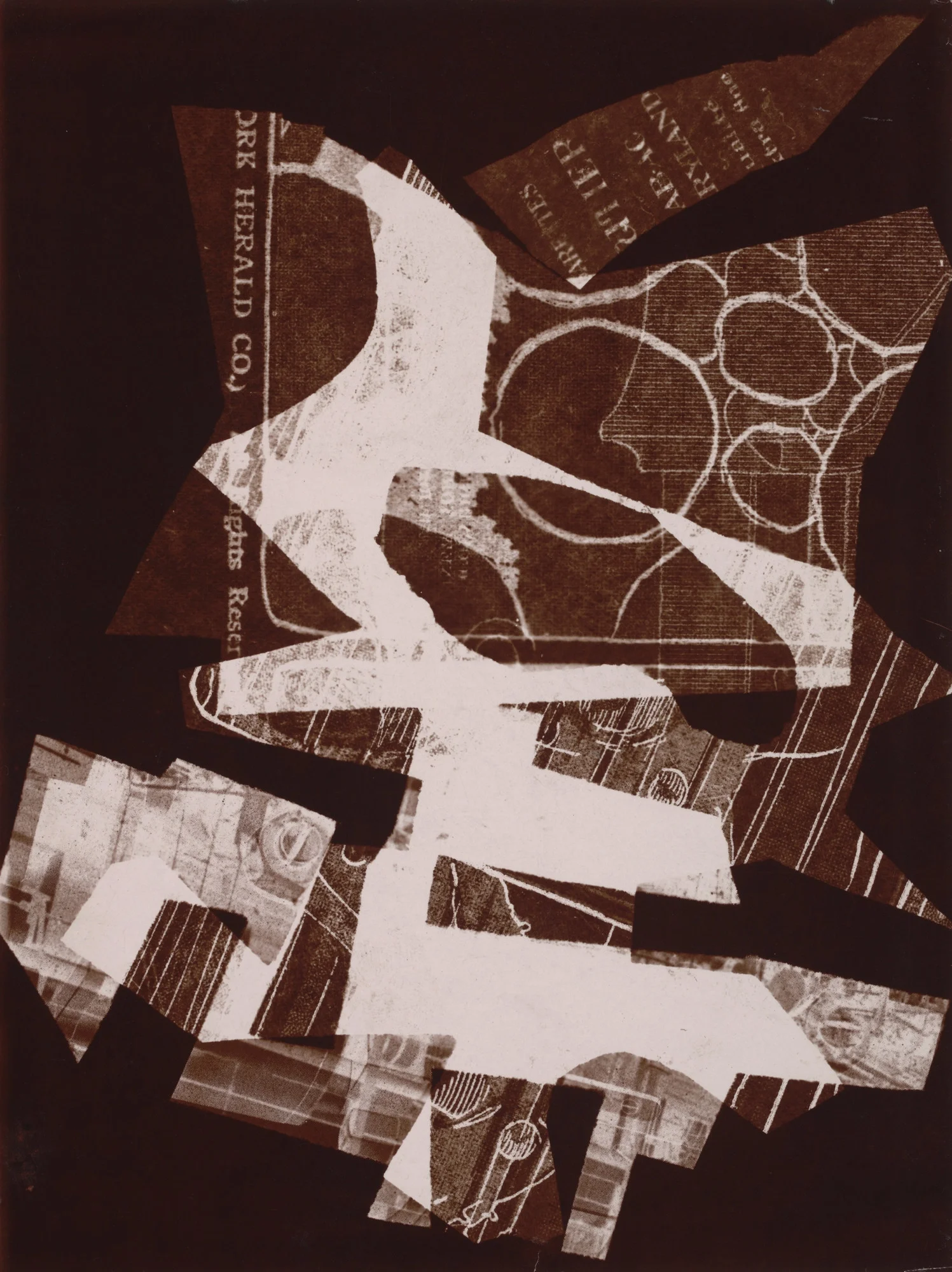
1919 Christian Schad
Candidate Credit: 1919 Christian Schad Schadograph, 1918–1919, Author: Christian Schad, Title: Schadograph (untitled), Date: 1918–1919, Process: Photogram on photographic paper, Archive: Museum of Modern Art, Source: MoMA Collection, Rights: © Estate of Christian Schad / used for scholarly reference (Alternative holdings: Kunsthaus Zürich; Centre Pompidou)
-
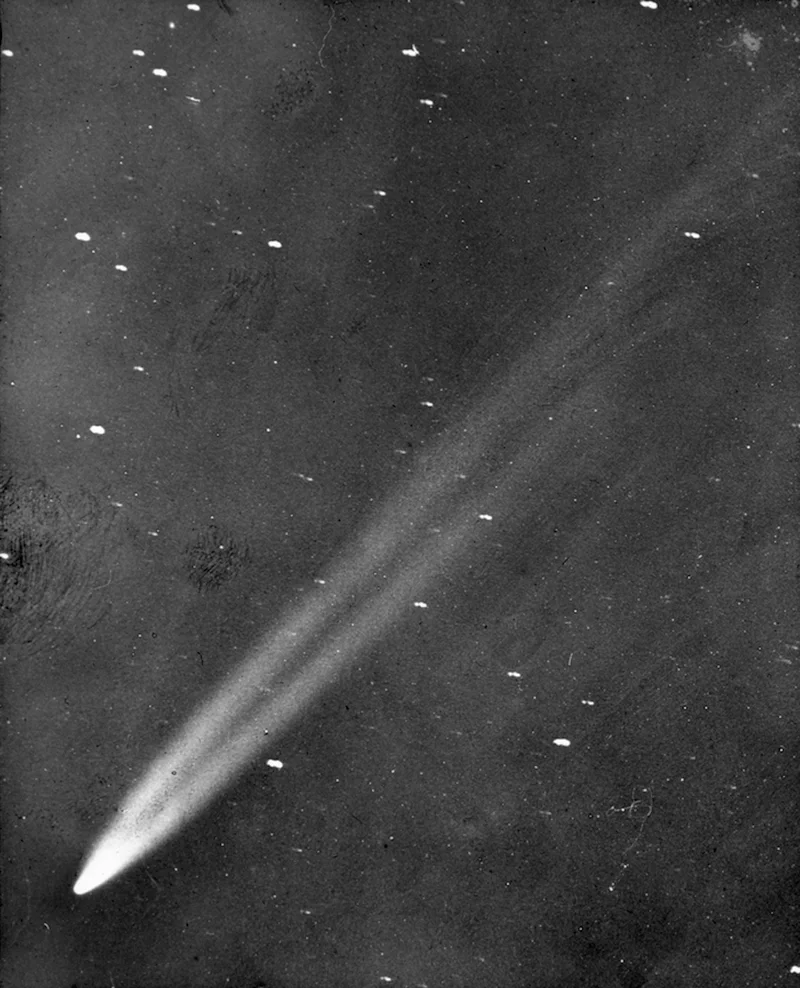
1901 Edward Emerson Barnard - The Great Comet of 1901
Candidate Credit: 1901 Edward Emerson Barnard, Public domain, via Wikimedia Commons, Author: Edward Emerson Barnard, Title: The Great Comet of 1901, Archive: United States Naval Observatory, Date: 11 May 1901
-
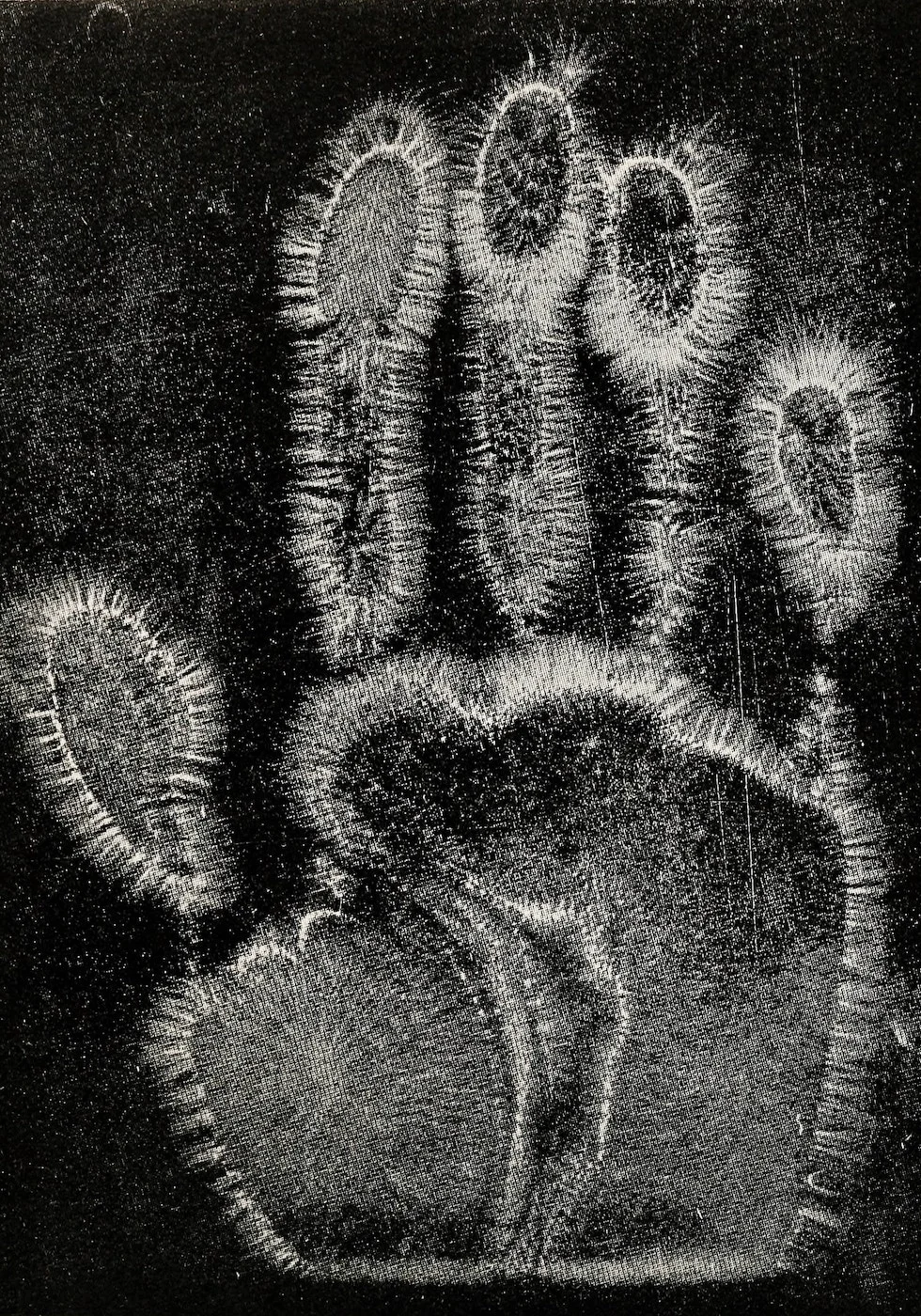
1913 Hippolyte Baraduc – The Human Soul
Candidate Credit: Title: "Pure electography of the hand by Iodko's method.", Artist: Hippolyte Baraduc, Date: 1913, From: The Human Soul (full title: The Human Soul: Its Movements, Its Lights, and the Iconography of the Fluidic Invisible), Source: Internet Archive / Boston Public Library, Rights: Public Domain Worldwide, Via: Public Domain Image Archive (pdimagearchive.org)
-

1893 Étienne-Jules Marey - Chat Chute
Candidate Credit: The National Media Museum, Bradford, Author: Étienne-Jules Marey, Title: Chronophotograph of 'Chat chute' or cat falling, Archive: Science Museum Group. Chronophotographic Film of Cat Falling. 1952-75/4 Science Museum Group Collection Online, Date: 1893, Format: 90 mm x 545 mm. Materials: fibre paper and cellulose nitrate. Available information: This is one of a series of sequential photographic images created by French scientist and photographer Étienne-Jules Marey using his chronophotographic camera. The images, captured at 12 frames per second. The pictures showed that the cat had no rotational motion at the start of its descent and so was somehow acquiring angular momentum while in free-fall.
-
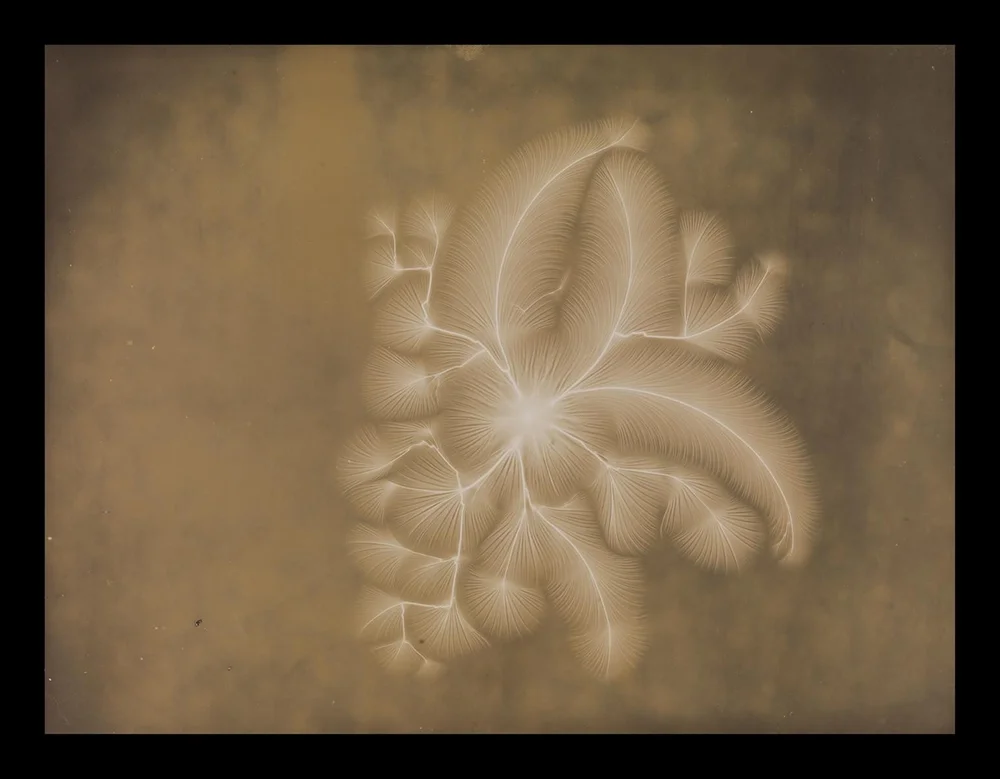
1892 Alan Archibald Campbell Swinton - Positive Electrical Discharge
Credit: 1892 Science Museum Group, London, Author: Alan Archibald Campbell Swinton (1863 – 1930). Title: Photograph of Positive Electrical Discharge, Date: 1892, Archive: Science Museum Group Collection (Object no. CO8349901). Source: Science Museum Group Online Collection – collection.sciencemuseumgroup.org.uk, Original file: Unknown dimensions (archival gelatin silver print on glass plate, Description: High-voltage electrical discharge captured directly onto a photographic plate without camera or lens. Swinton’s experiment recorded the path of a spark from an induction coil, revealing the branching form of positive corona discharges. Available information: Science Museum Group archives, Department of Science and Technology Collections.
-
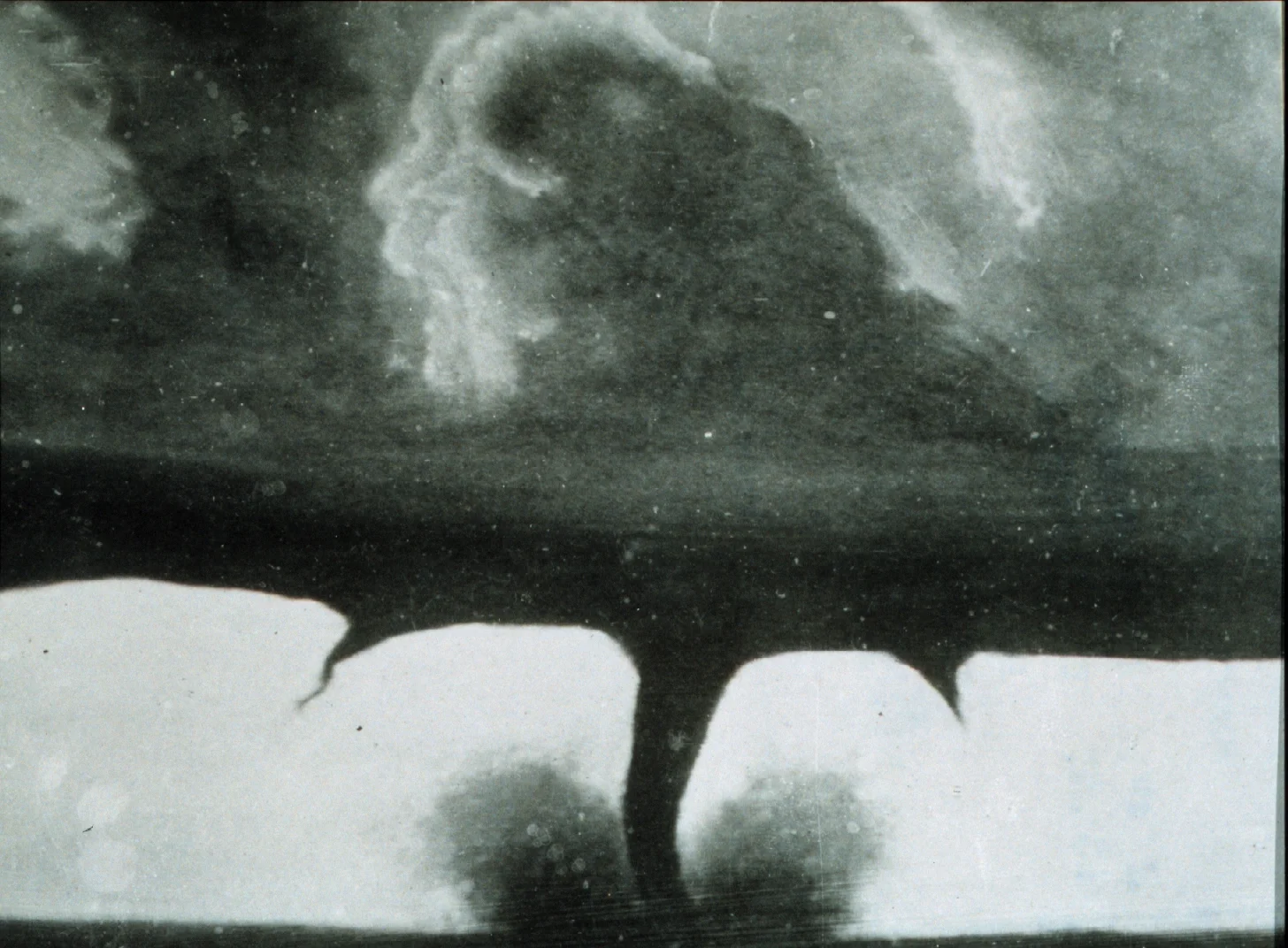
1884 Oldest known photograph of a tornado
Candidate Credit: 1884 NOAA, Public domain, via Wikimedia Commons, Author: unknown, Title: 1884 Oldest known photograph of a tornado, Archive: National Oceanic & Atmospheric Administration (NOAA) Photo Library, Date: 28 August 1884
-
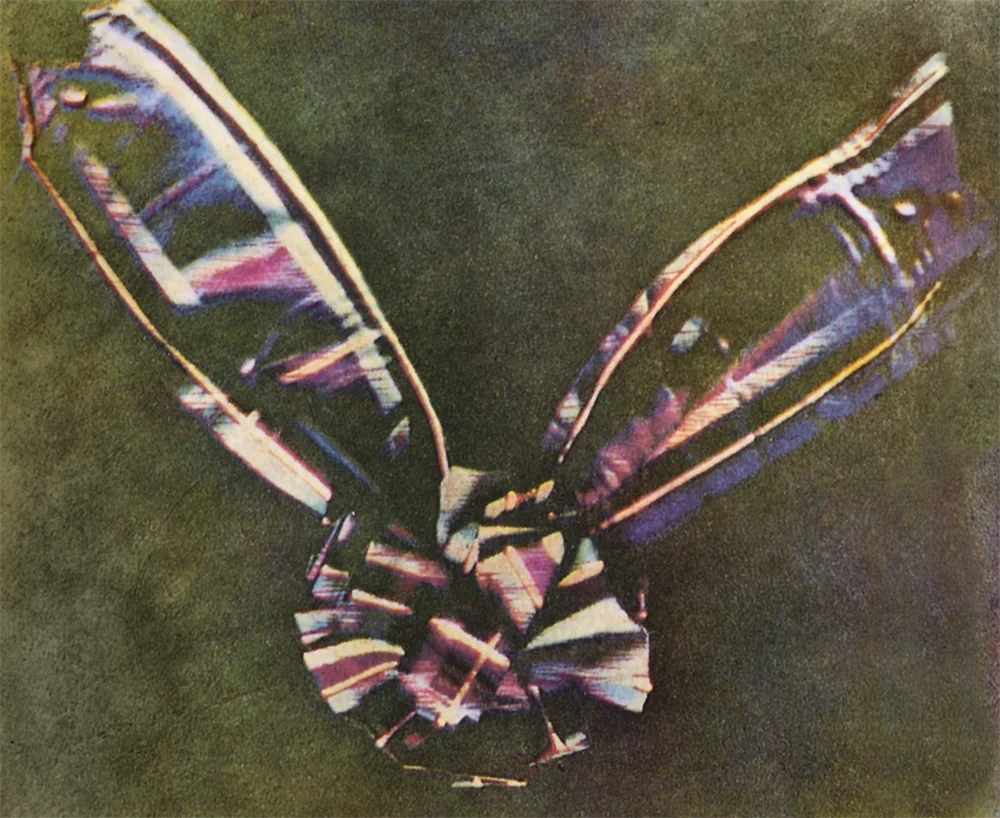
1861 James Clerk Maxwell - First colour photographic slide
Candidate Credit: 1861 James Clerk Maxwell, Public domain, via Wikimedia Commons, Author: James Clerk Maxwell, Title: Tartan Ribbon, First colour photographic slides, Archive: James Clerk Maxwell, Public domain, via Wikimedia Commons, Source: Scanned from The Illustrated History of Colour Photography, Jack H. Coote, 1993. ISBN 0-86343-380-4. Date: 1861 (of original photographic slides)
-

1851- Panoramic View of San Francisco from Rincon Hill
Candidate Credit: 1851 San Francisco Historical Society, Author: Unidentified Photographer, Title: Panoramic View of San Francisco from Rincon Hill, Archive: San Francisco Historical Society Archive, Source: California State Library, Date: 1851. This early panoramic image captures San Francisco during its rapid expansion in the California Gold Rush era. Taken from Rincon Hill, it showcases the city’s burgeoning port and infrastructure. Created using a daguerreotype or early collodion process, the photograph highlights the technological challenges of mid-19th-century photography, such as long exposure times and immediate on-site development, making it a rare visual record of the period’s urban transformation. Public domain, available for unrestricted reproduction.
-
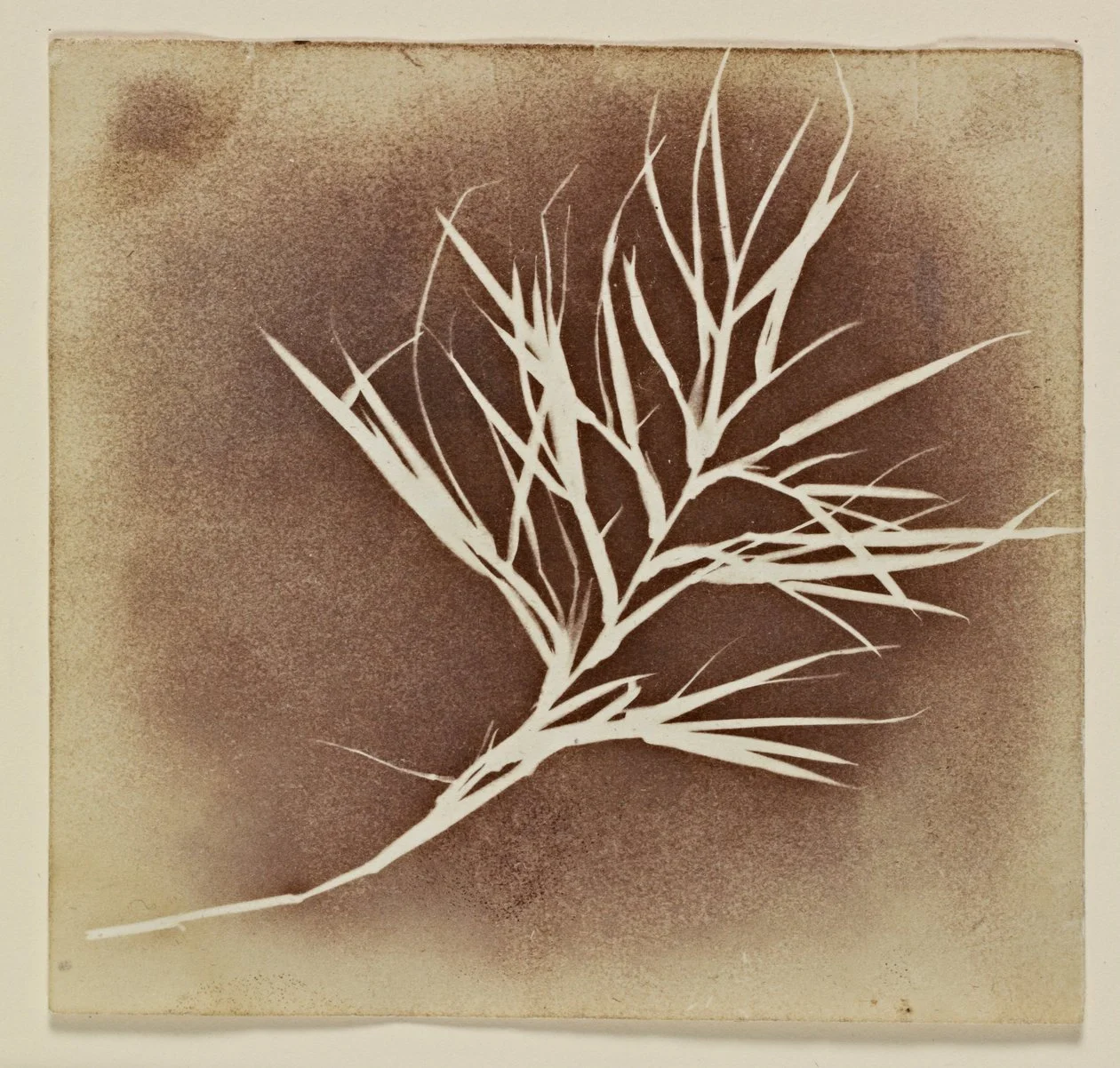
1834 Photogenic Drawing of a Leaf
Candidate Credit: 1834 Photogenic Drawing of a Leaf c. 1834, This is one of Talbot’s earliest surviving cameraless photographs and is routinely used to demonstrate the technical origin of the photogram. Author: William Henry Fox Talbot, Title: Photogenic Drawing of a Leaf, Date: c. 1834, Process: Photogenic drawing (salted paper photogram), Archive: National Science and Media Museum, Source: Science Museum Group Collection, Rights: Public domain
SUBMIT FIRST PHOTOGRAPH CANDIDATES
We're currently seeking first photograph candidates and contextual documentation in scientific and artistic photography from the last two centuries.
If you have a candidate to submit, related articles or stories about any of the candidates please contact: submit@zerobaseline.com
All submissions are used for research purposes only. Your privacy is respected. Thank you for your valuable contribution.
Verification Methodology
What Defines a First Photograph
A first photograph is not simply the earliest known image. This is the argument behind the standard Zero Baseline applies to every entry in the collection.