1977
Trylon, New York
Hiroshi Sugimoto
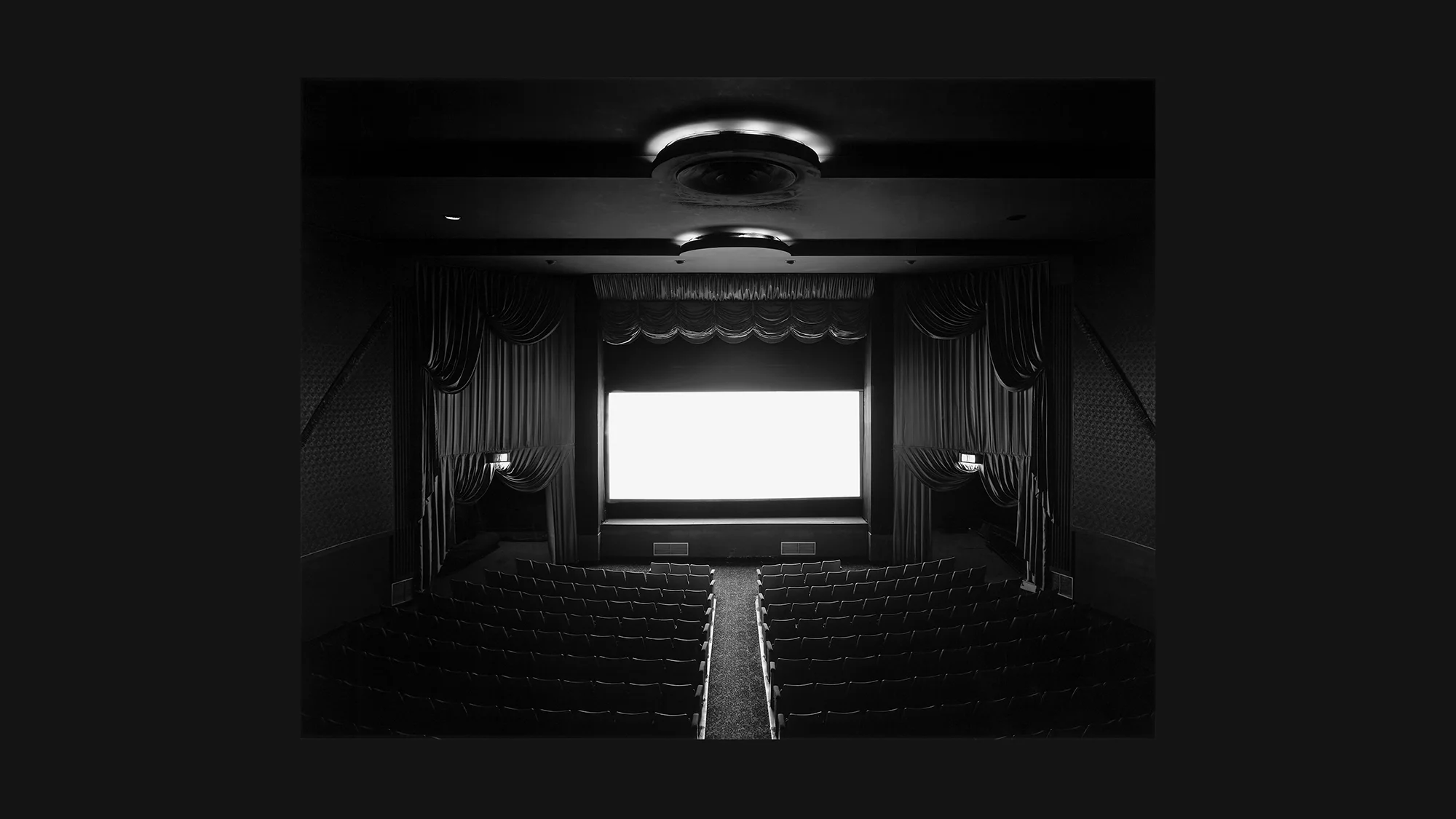
The Visible Silence of Cinematic Light – Hiroshi Sugimoto’s Trylon, New York
In 1977, Hiroshi Sugimoto redefined the parameters of photographic exposure. Positioning his large-format camera within a cinema, he opened the shutter for the full duration of a film’s projection. Every frame — thousands of moving images — was absorbed into a single, continuous exposure, producing a screen of pure, white radiance.
This process transformed motion into stillness. What had once been a sequence of fleeting cinematic moments became an enduring field of light, framed by the fixed geometry of the theatre. In Trylon, New York, the photographic act extends beyond observation to encompass measurement, the full duration of a film captured as one luminous record. The result is an image that reveals not the film itself, but the physical phenomenon of light as time made visible.
KEY REFERENCE POINTS
TECHNICAL: Large-format camera・single feature-length exposure・gelatin silver print・size variable・shutter open for full film duration・motion collapsed into one frame
INFLUENCE: Redefined photographic exposure logic・Theaters series (1975–ongoing)・benchmark in long-exposure conceptual photography・held in major museum collections worldwide
ANALYTICAL: Time as measurable quantity・light accumulation as data・duration made visible・challenges snapshot paradigm・photography as durational record not instant
CULTURAL IMPACT: Cinema and stillness in tension・absence as subject・light as content not vehicle・questions what photography records・iconic in conceptual and fine-art photography
ARCHIVAL RECORD
CREDIT: © Hiroshi Sugimoto, courtesy Fraenkel Gallery, San Francisco and Lisson Gallery
AUTHOR: Hiroshi Sugimoto
TITLE: Trylon, New York
DATE: 1977
ARCHIVE: no archival credit required, per correspondence
SOURCE: Courtesy of the artist, Fraenkel Gallery, San Francisco, and Lisson Gallery
ORIGINAL: Gelatin silver print, size variable
AVAILABLE INFORMATION: Part of Hiroshi Sugimoto’s Theaters series, printed on gelatin silver paper. The photograph depicts the Trylon cinema screen illuminated by a single feature-length projection, resulting in a radiant, white void — a distilled image of cinematic time.
EXTENDED CONTEXT
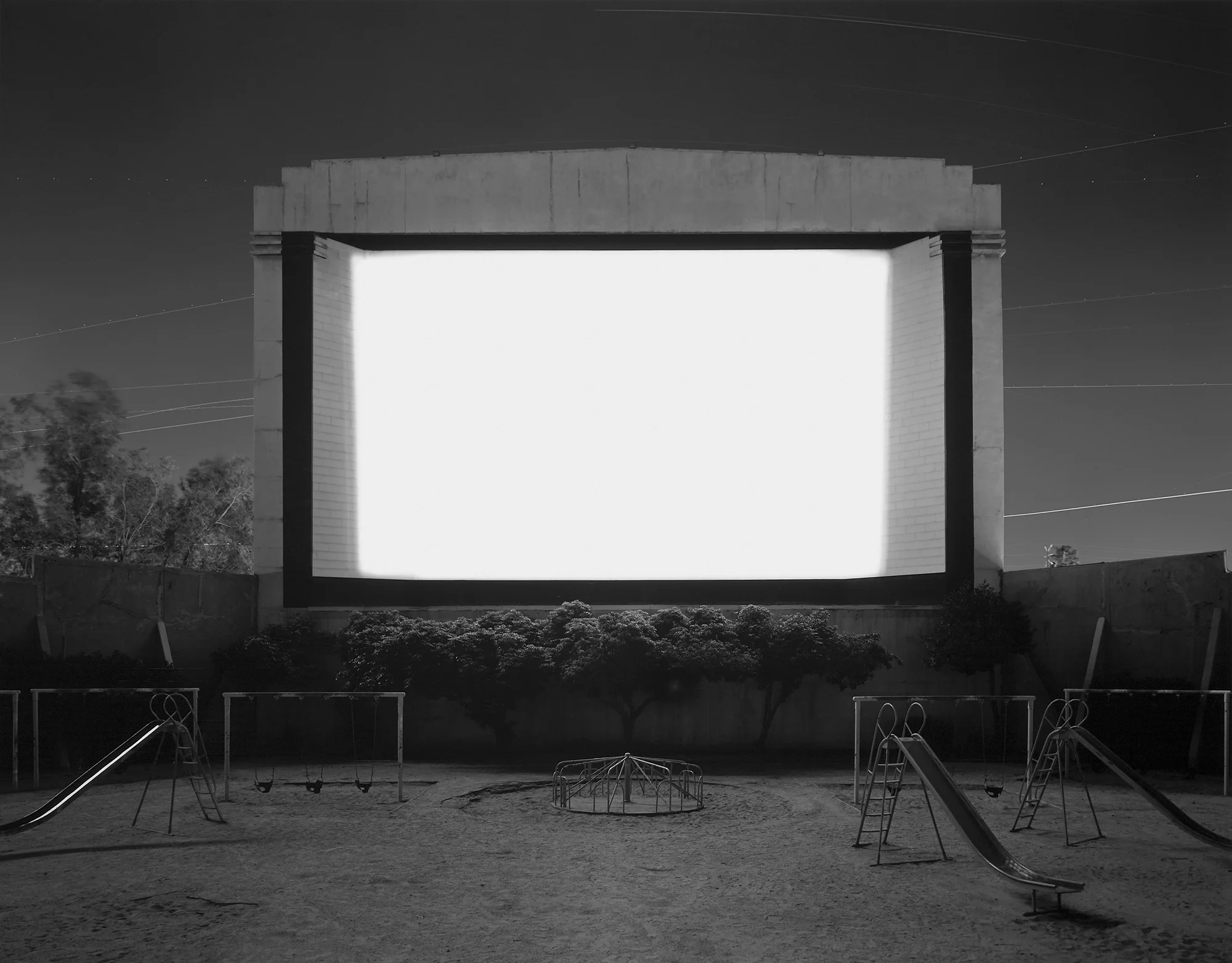
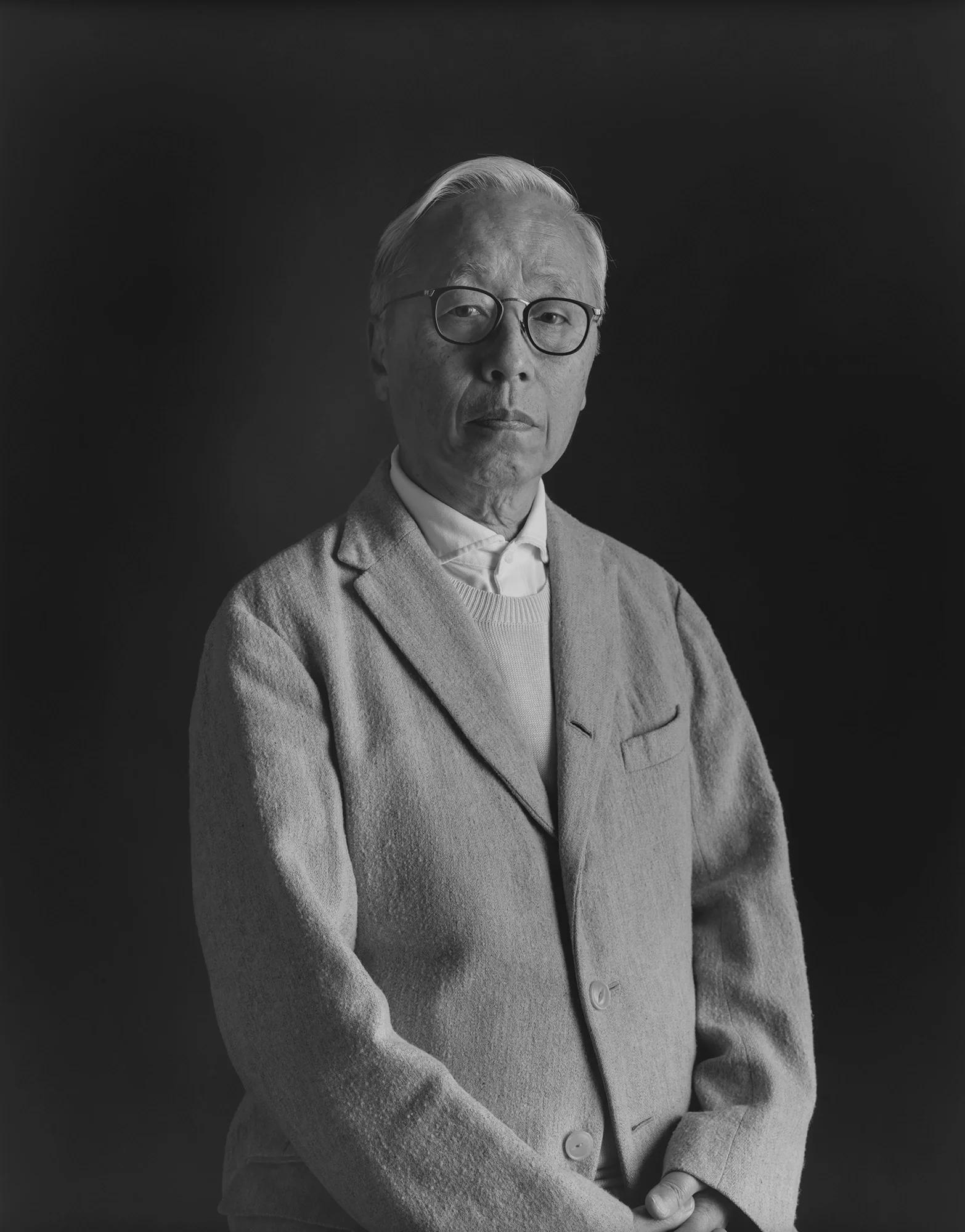
Additional image credits (left to right): Image 1: Hiroshi Sugimoto, Tri City Drive-In, San Bernardino, 1993. Gelatin silver print. © Hiroshi Sugimoto, courtesy Fraenkel Gallery, San Francisco, and Lisson Gallery. Image 2: Hiroshi Sugimoto, Self-Portrait, 2019. Gelatin silver print. © Hiroshi Sugimoto, courtesy Fraenkel Gallery, San Francisco, and Lisson Gallery.
Exploring the Influence of Time Continuum across Zero Baseline
Time Continuum Study redefines photography’s relationship with the instant. Rather than freezing a fraction of a second, these works allow time to unfold within the image, transforming duration itself into the subject. Through long exposure, sustained observation, or temporal accumulation, motion is absorbed rather than isolated. Light becomes a measure of duration, and the photograph a continuum of experience. By collapsing many moments into one, Time Continuum Study unites stillness and change within a single visible state. The photograph no longer isolates an instant but captures the very passage of time — light acting simultaneously as event and memory.
1886 ÉTIENNE-JULES MAREY – SHAKING A FLEXIBLE ROD
Layered successive phases of movement within one frame, translating wave-like motion into a continuous oscillating form.
1889 ÉTIENNE-JULES MAREY AND GEORGES DEMENŸ - Pathological Walk from the Front
Rendered human stride as a rhythmic continuum, where each movement overlaps into the next — time embodied in motion.
1935 MAN RAY – SPACE WRITING (SELF-PORTRAIT)
Traced gestures of light over a prolonged exposure, allowing time to reveal movement as self-representation.
1977 HIROSHI SUGIMOTO – TRYLON, NEW YORK
Exposed a film’s entire projection in one frame, distilling hours of motion into a single luminous image.
2020 REGINA VALKENBORGH – PERPETUITY LONGEST EXPOSURE
Traced 2,953 solar arcs over eight years, compressing vast temporal change into one continuous frame.
2023 CHELSI ALISE COCKING AND JIMMY DAY – ILLUMINATE
Rendered human motion as luminous trails in real time, transforming movement into a continuous visual record of gesture and form.